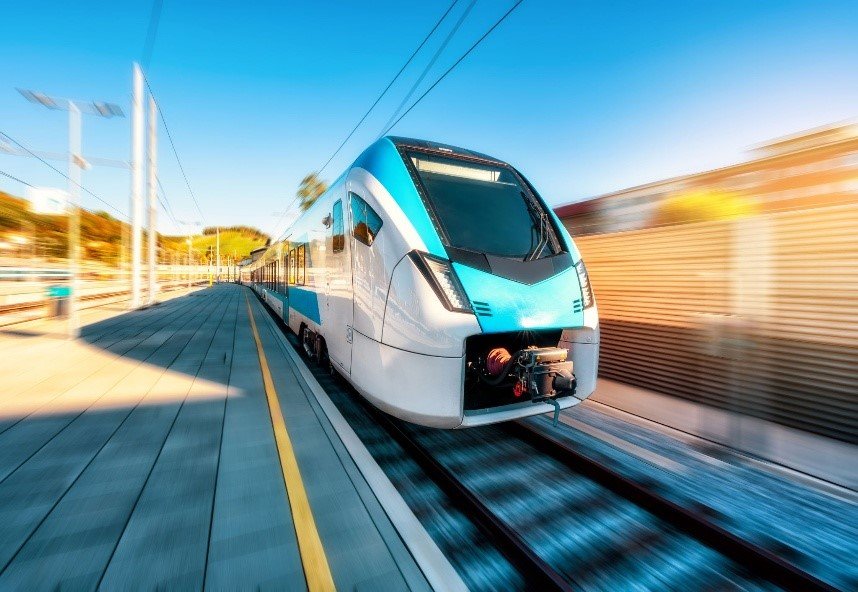
When designing modern rolling stock, passenger safety in the event of a fire dictates every material choice. The European standard EN 45545-2 is the global benchmark for fire safety in the rail industry, ensuring that materials limit fire spread and minimize toxic smoke.
To meet these rigorous demands without sacrificing mechanical performance or manufacturing flexibility, engineers rely on highly specialized materials like CPFR SSPG7270 silicone rubber.
Here is a comprehensive look at the properties, processing capabilities, and applications of this advanced elastomer.
Decoding the CPFR SSPG7270 Profile
The nomenclature of this silicone grade reveals its core characteristics before it even hits the manufacturing floor:
- FR (Fire-Resistant / Flame Retardant): The compound is specifically formulated to resist ignition and slow the spread of flames.
- U (Uncatalyzed): It requires the addition of a vulcanizing agent or peroxide for curing, giving manufacturers precise control over the cross-linking process.
- NAT (Natural): Prior to compounding, the base material has a creamy off-white/beige color, making it easy to add custom pigments to match specific rolling stock interiors or color-coding requirements.
Core Properties and EN 45545-2 Compliance
Standard organic elastomers often struggle to meet strict FST (Fire, Smoke, and Toxicity) requirements without heavy chemical additives that ruin their physical properties. CPFR SSPG7270 overcomes this through a balanced, high-performance formulation.
- Zero Halogen and Low Smoke (LSFOH): In the event of a fire, this silicone ensures exceptionally low smoke emission and low toxicity. Crucially, it contains zero halogens, meaning it will not release lethal, corrosive gases when burned.
- HL2 / HL3 Hazard Level Ratings: Depending on the specific profile thickness, CPFR SSPG7270 exceeds the requirements for vertical burning, smoke density, and toxic fume emission, allowing it to achieve stringent HL2 and HL3 classifications for high-risk train environments.
- Exceptional Thermal Stability: Railway components face brutal environmental swings. This silicone maintains stable physical performance from a freezing -50 °C up to 200 °C, with the ability to withstand even higher temperatures for short durations.
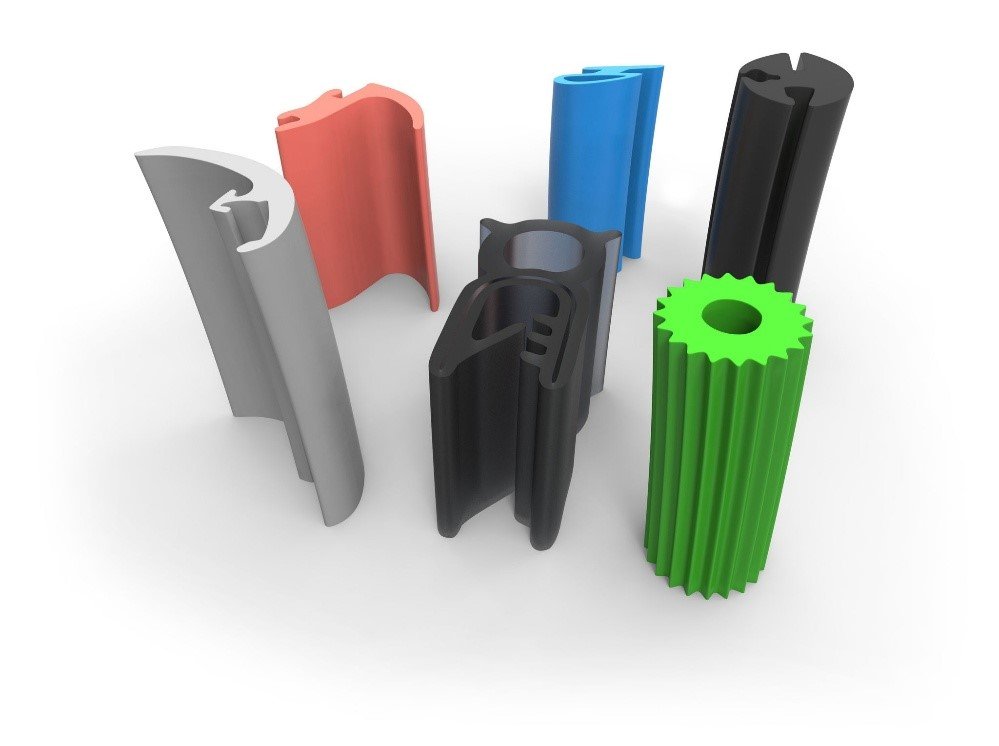
- Versatile Processing: Unlike rigid or difficult-to-handle fire-proof materials, CPFR SSPG7270 is designed for easy processing. It is highly adaptable for extrusion (for long profiles and tubing), calendaring, and compression molding.
Common Railway Applications
Because it can be molded and extruded into complex shapes while maintaining HL3 compliance, CPFR SSPG7270 is utilized across the entire railway vehicle:
- Sealing Systems: Extruded window and door seals, as well as general weather stripping that must remain highly elastic in freezing weather.
- Paneling: Interior and exterior panel profiles that act as fire barriers between compartments.
- Electrical Protection: Cable jackets and protective wire sleeves that preserve critical communication and power lines during a fire event.
- Mechanical Dampening: Compression-molded flexible articles and anti-vibration mounts for HVAC systems and undercarriage equipment.
Frequently Asked Questions (FAQ)
- What do the Hazard Levels (HL2/HL3) mean for CPFR SSPG7270?
Hazard Levels in EN 45545-2 classify the risk of a specific train environment based on operation and design (e.g., surface trains vs. sleeper cars in underground tunnels). CPFR SSPG7270 can achieve both HL2 and the strictest tier, HL3, depending on the final thickness of the extruded or molded part.
- Is this silicone ready to mold out of the box?
No, CPFR SSPG7270 is an “Uncatalyzed” (U) compound. It requires the manufacturer to add a vulcanizing agent or peroxide to initiate the curing process during extrusion or molding.
- Can we color-match this silicone for our train interiors?
Yes. Because it is supplied in a Natural (NAT) creamy beige base, it easily accepts pigments without compromising its fire-retardant properties, allowing for seamless integration into interior cabin designs.
- How does LSFOH protect passengers and infrastructure?
LSFOH stands for Low Smoke, Fume, and Zero Halogen. In a fire, halogenated plastics emit thick, blinding smoke and acidic gases that can damage lungs and corrode electronics. CPFR SSPG7270 ensures visibility remains high for evacuation and prevents acidic damage to critical train infrastructure.